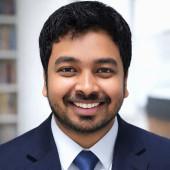
Sourav Sarkar
Assistant Professor
Sourav Sarkar
Assistant Professor, Chemical Sciences
PhD: Pohang University of Science and Technology, South Korea, 2020
Research interests:
Organic Fluorophores, Molecular Probes, Bioimaging, and Disease Chemical Biology
Please visit my personal page for more details.
https://sites.google.com/view/micl-boseinstitute/
Contact:
| Address: |
Chemical Sciences Unified Academic Campus Bose Institute EN-80, Sector V Bidhan Nagar Kolkata - 700 091, India |
| E-Mail: | sourav.sarkar[at]jcbose.ac.in |
| Phone: | +91-33-25693255 |
Research:
Welcome to the Molecular Imaging and Cellomics Laboratory. We develop next-generation molecular imaging technologies that decode cellular function and accelerate precision diagnostics.
By integrating synthetic chemistry, chemical biology, quantitative cellomics, advanced microscopy, and AI-driven image analysis, we seek to decode cellular function with high spatial and temporal precision. Our research spans fluorescent probe development, cell-specific imaging, biomarker discovery, and disease diagnosis, with the ultimate goal of translating molecular insights into imaging-based clinical technologies.
Goal
We will investigate the chemical mechanisms underlying human diseases, including aging, cancer, metabolic and neurodegenerative disorders. Combining chemical biology, molecular imaging, and functional assays, we aim to i) identify disease-specific biomarkers, ii) decipher biochemical pathways, and iii) develop cell-specific chemical probes that improve our understanding of disease progression while facilitating diagnostic innovations. Beyond fundamental research, we will prioritize the commercialization of technologies to accelerate their translation from the laboratory to clinics.

Toolbox
To achieve that we will develop organic fluorophores with outstanding imaging and sensing capability. Such molecular probes will be capable of visualizing dynamic biological events in living cells, tissues, and animal models with high spatio temporal resolution. Our research will focus on imaging disease-associated biomarkers, enzymes, metabolites, reactive species, and organelle functions using confocal/ two-photon fluorescence, lifetime imaging, and multimodal imaging techniques. These will enable early detection of disease and and allow monitoring their progression in real-time.

Methods
We will begin with the synthesis of fluorophore libraries, followed by biological evaluation through cell-based and enzyme activity assays. High-content fluorescence imaging will be used to screen probe performance, while flow cytometry, Western blotting, ELISA, and qPCR will provide quantitative validation of biological targets and signaling pathways. Promising probes will then be evaluated in animal disease models using in vivo imaging to assess biodistribution, target specificity, and performance for integration of the developed science into diagnostic technologies.

Publications:
Please visit my personal page for more details.
https://sites.google.com/view/micl-boseinstitute/


Recognition:
- “InnoCORE research fellowship” awarded by Govt. of Korea , 2025
- “Annual best paper award” by Dept. of Chemistry, POSTECH, 2022
- “Young chemist colloquium lectureship award” by Dept. of Chemistry, POSTECH, 2021
- “BK21 post-doctoral fellowship” awarded by Govt. of Korea, 2020
- Graduate Aptitude Test in Engineering, 2015
- National Eligibility Test, 2014
- Joint Admission Test for Masters, 2013
Teaching:
Students:
| Image | Name | Designation | Department | Campus | Contact number |
|---|